
Steve Denby, Managing Partner at AssetMax, spent two days on the floor at IPEM Global 2026 in Paris (9–10 September). This is not a conference brochure. It is what the room is actually saying, read through the one question that matters to an investment committee: can this be underwritten?
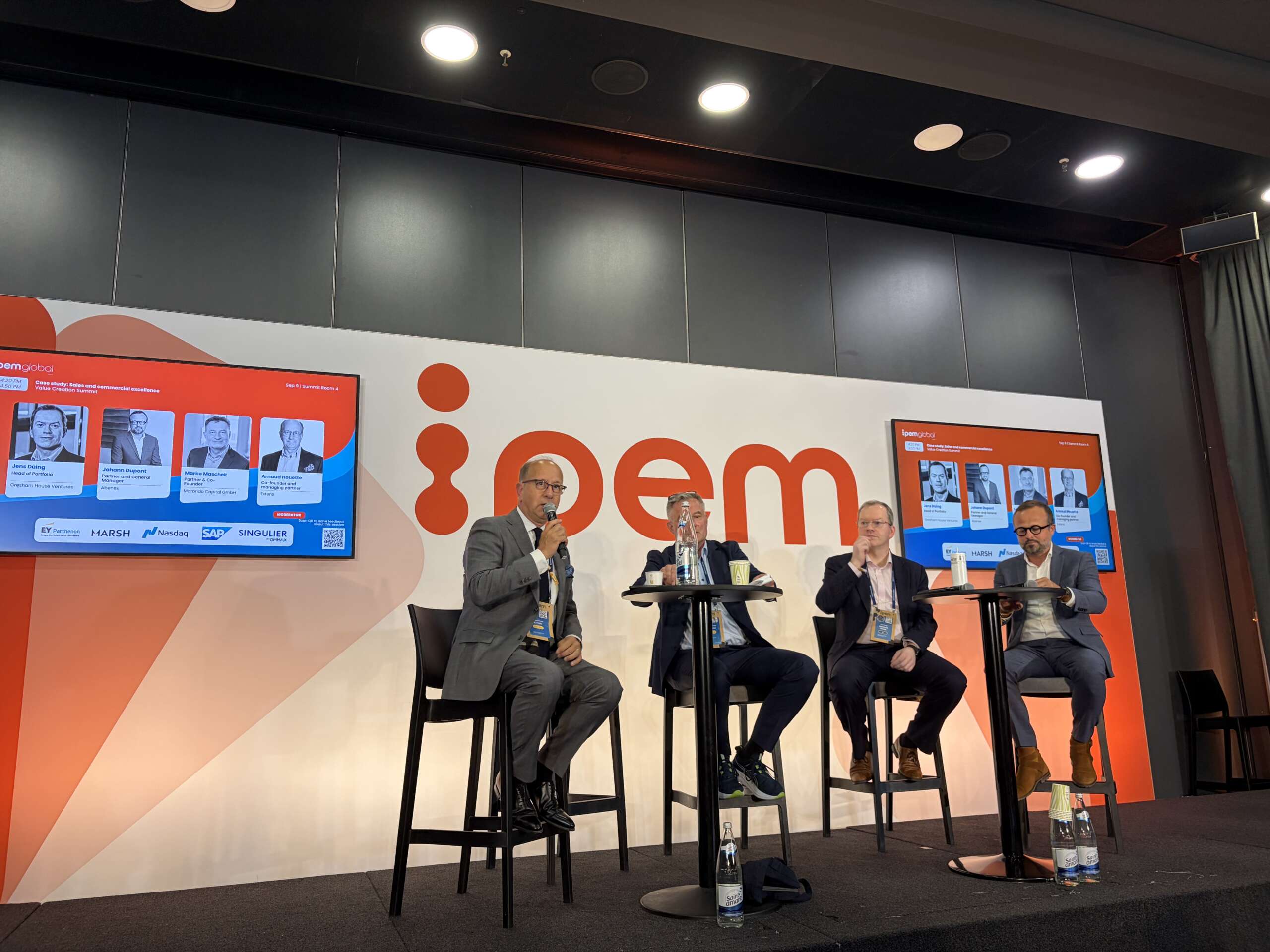
Across twelve sessions on the Value Creation and AI Summits, a consistent shift showed up: the experimentation phase is over. The conversation has moved from what could we do to what can we evidence — in the P&L, in the data room, and at the point of exit. Three themes ran through both days.
1. The evidence bar has moved — and most diligence processes have not
The clearest thread of the event was about proof. LPs and buyers are no longer impressed by the story; they underwrite the evidence behind it.
Adeline Lemaire, deploying €1.5–1.8bn a year at Bpifrance, put it plainly: operating capacity at fund level is now “something that we nowadays take for granted.” It is not a differentiator, it is expected. What she assesses instead is consistency — whether the model actually fits the fund’s strategy and size. Mehmet Budak went further: returns now have to come from organic growth, and that cannot be delivered by “financial PE guys” who bring operators in after closing. His test is sourcing. Off-market entry, he called it, is the “legal but unfair advantage.”

On exit readiness, EY’s Konstanze Nardi delivered the number of the conference: the preparation sweet spot has stretched to 12–24 months, because there is more data in every process and diligence is less forgiving of gaps. 86% of GPs saw a valuation improvement from exit preparation, but around half of those who started 12–24 months out reported much or a great deal of improvement, against 29% of those who started three to six months ahead. The gap management teams most regret is their own — not the bankers, the timing or the buyers.
The signal: 82% of GPs say they are fully aligned with management on exit timing, valuation expectations and buyer type. Only 70% of management teams say the same. The 12-point gap is where exit value leaks.
Four mid-market GPs — Charterhouse, AnaCap, Astorg and Apheon — gave the operating answer: predictability comes from separating building the business, preparing the exit and running the process. Astorg now starts its preparation phase 18 months to two years out, specifically to get the consistency of data EY described. As Adrien Hautefeuille of Apheon summarised the primaries game: you buy complexity and sell simplicity.
2. AI: from pilots to underwriting
The second theme was the most consequential, and it is a move from experimentation to underwriting. Advent’s Gaël Gibert framed the last twelve months as round one: throw a few punches, see what lands. The result is not a verdict on AI but a company-by-company view of what it will actually cost to extract value.
Apollo has turned that into process. Adam Nahari described a structured AI risk and opportunity assessment now applied to every deal — scoring the industry ceiling against the company’s talent, strategic vision, data infrastructure and process automation, then reading the gap and sizing the opportunity. His advice for investment committees was pointed: demand a business-unit-by-business-unit view of whether AI harms, improves or leaves each unit neutral, and separate table stakes from durable differentiation.
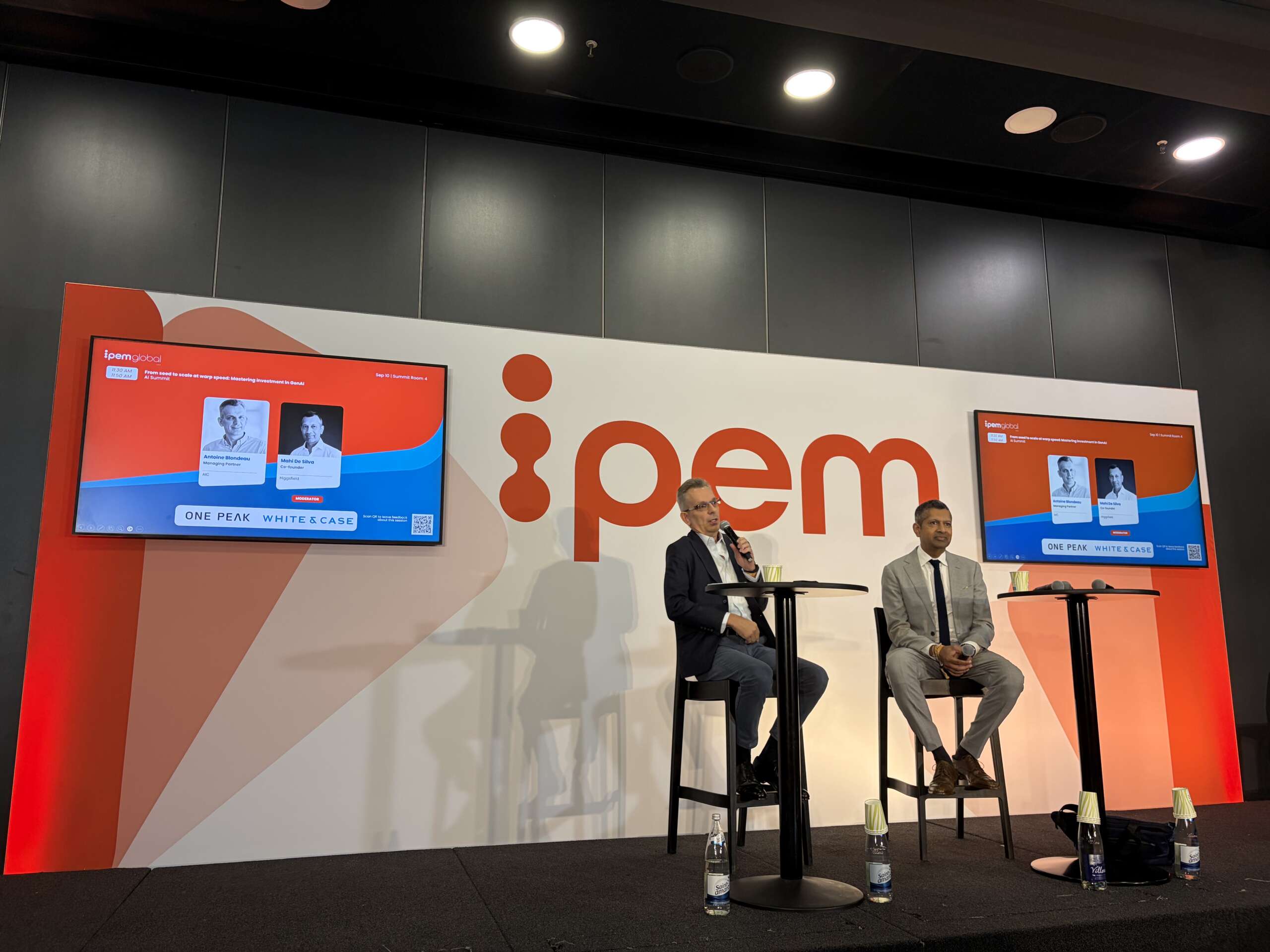
The most uncomfortable point came from Gibert on the first hundred days: a GP must decide not how big the AI opportunity is, but how much of it to capture within the hold period, and write that down. Otherwise the portfolio company is forever chasing the next model. On technology, the Red Team AI at Astorg — which takes the counter-position to the deal team’s memo — graded one unprompted: “this memo is a C minus; the deal team has not thought about A, B, C, D, E and F.”
Singulier’s data explained why so many AI pilots stall. In only 7% of companies does a business unit leader own the AI transformation. Everywhere else it sits with technology, and technology cannot make the decisions that turn a working pilot into P&L impact. Their case study: a client arrived with 100 AI use cases; two weeks later the top ten by cost-base impact had been identified — and none of them was on the original list.
3. Value creation is now an execution story
The third thread tied the two together. Value creation is no longer a strategy exercise; it is an execution discipline, and the returns depend on whether the plan actually lands.
Real Deals opened with the industry’s arithmetic: Bain’s 2026 report says the annual EBITDA growth needed to hit 2.5x over five years has risen from around 5% to 12%. “Twelve is the new five.” The value-creation leads from Permira, PAI, Triton and Kartesia disputed the premise as it applied to them — Permira put 80% of its fifteen-year returns down to operating improvement — and converged on where the next frontier sits: execution certainty. Every GP now tracks ten to fifteen initiatives per company, but how many land on time, on budget and in full?
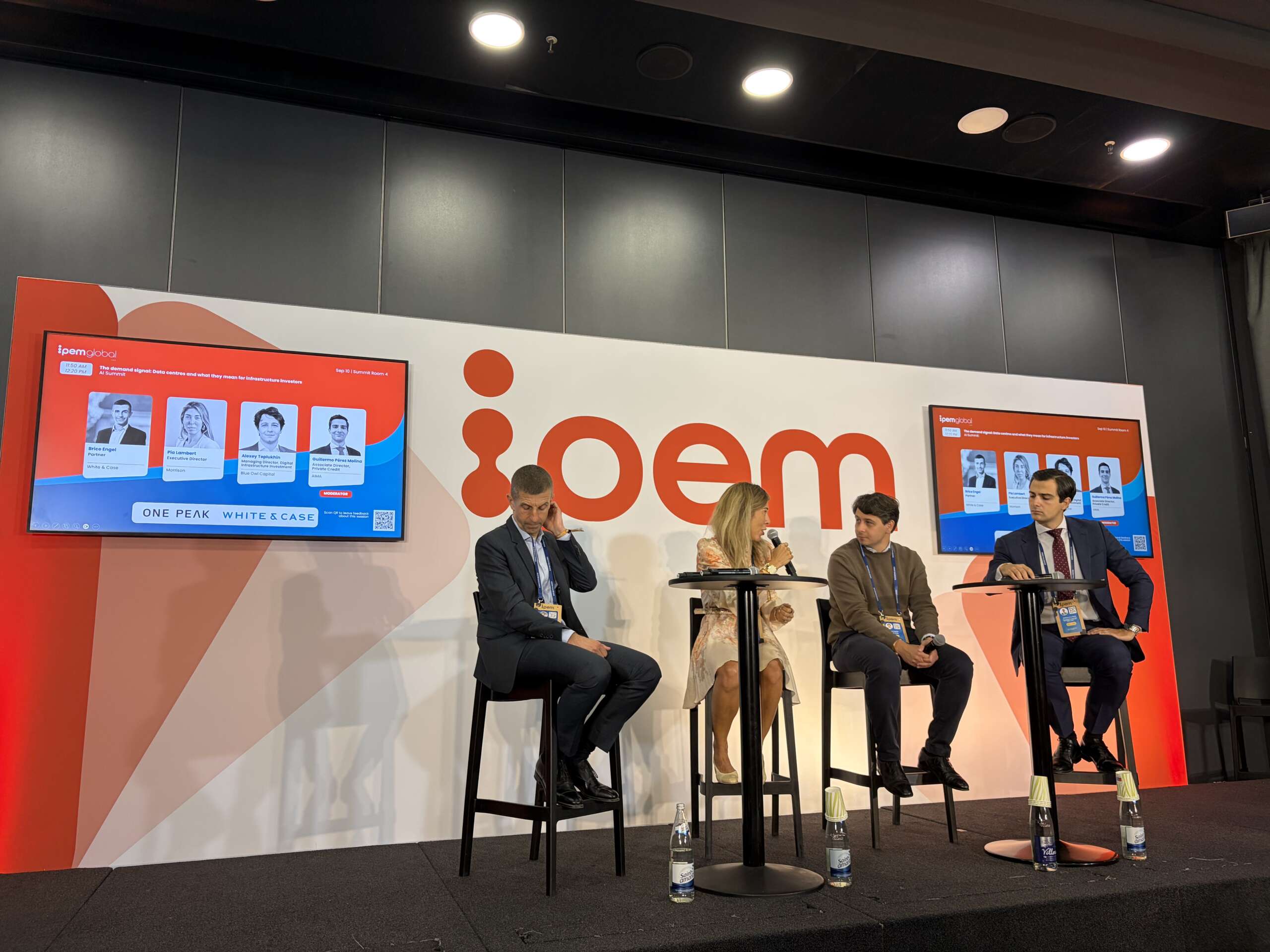
Siparex supplied the scale on buy-and-build: its last fund holds twelve companies that have made 160 acquisitions in an average of two and a half years. But the test Guillaume Rebaudet applies is whether M&A accelerates organic growth — and where it fails, integration, not timing, is the reason. His dissent on the same panel was instructive: sometimes the best integration is not to integrate, because small companies are fragile and “you don’t want to break the toy.”
Two more signals worth carrying into any IC. Hypax’s Christian Schmehl made the case for procurement as the lever management can actually control in a carve-out — where bargaining power tends to leave with the parent — with a proof point of 7.1x realised. And EY’s quieter statistic: the share of GPs calling AI a significant exit challenge has gone from 7% to 18% in a year. Buyers now look through two lenses: what AI does to the business model, and how credibly the company is using it internally.
What this means for AssetMax clients
Read together, the twelve sessions describe a market where conviction has to be built on evidence, not narrative — and where the evidence has to arrive earlier. That is the shift AssetMax exists for: reducing execution risk before ownership transfers, validating complexity during diligence, and turning execution into measurable outcomes.
If a theme from IPEM applies to a decision you are already making, Steve is continuing the conversation. Twenty minutes, no qualification process, and a shared read on where sharper evidence changes the answer.
Book a 20-minute conversation with Steve →

Steve Denby is Managing Partner at AssetMax, where he works across pre-deal intelligence, technology and operational due diligence, value creation tracking and exit readiness.